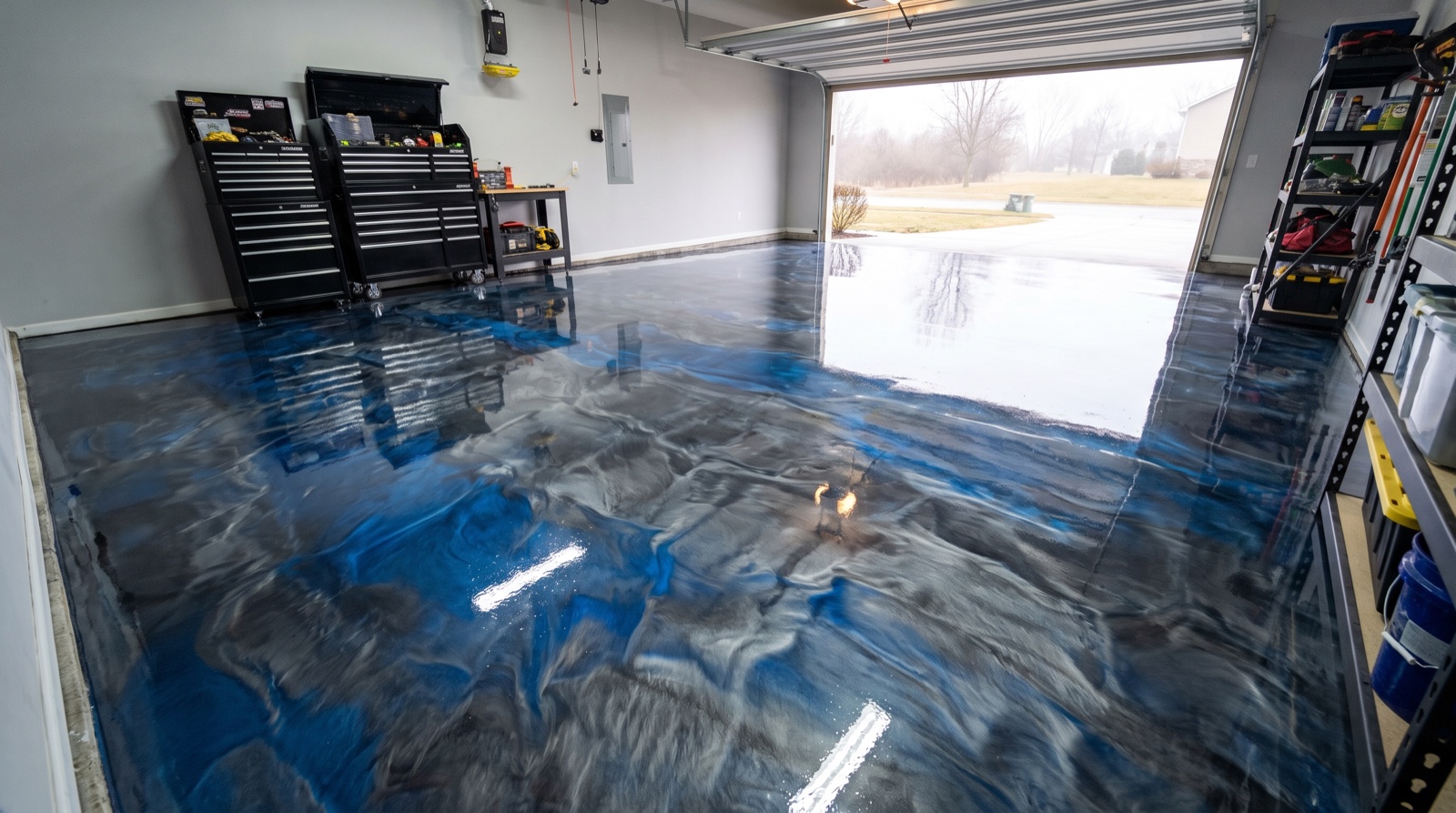
If you want a garage, patio or pool deck coated before a wet winter, book it in October or early November. Coatings need dry concrete to bond, and dry concrete gets harder to find once the storms start lining up.
The warning signs are already on the coast. SFGATE reported in late September that El Niño is already swallowing Orange County's famous beaches.
What Is Happening on the Coast
Aliso Beach in Laguna Beach has taken the most visible hit. Earlier reporting from The Inertia, republished by DredgeWire, described long period swells stripping the sand, exposing riprap and old pier remnants, and pushing erosion into the parking lot.
The City of Laguna Beach closed that parking lot and brought in emergency sand. All of that happened before the rainy season even began.
Nobody can promise how much rain Orange County will get this winter. What we can say is that a strong El Niño raises the odds of a wetter season in Southern California, and the practical move is to prepare as if it will be.
Why Rain Matters for Bare Concrete
Concrete is porous. Bare slabs absorb water, hold it, and release it slowly, which is why a garage floor can look dry on top and still be damp inside.
That moisture causes a short list of familiar problems in OC homes:
- Efflorescence. White, powdery salt deposits that rise to the surface as water moves through the slab.
- Staining. Wet tires carry road oil and grime into the garage, and bare concrete soaks it in.
- Slick surfaces. Smooth, sealed or worn concrete around pools and patios gets slippery when it stays wet for days.
- Crack growth. Water finds existing cracks and spalled spots and makes them worse over time.
Coastal homes in Newport Beach and Huntington Beach add salt air to the mix. Inland slabs in Irvine, Anaheim and Santa Ana see less salt but the same standing water.
Why Timing the Install Matters
A coating is only as good as its bond to the slab. If the concrete is holding too much moisture on install day, vapor pushing up from below can cause bubbling or peeling later.
That is why we test the slab for moisture before we coat it. If readings are high, the answer is a moisture mitigating primer or a short wait, not a rushed job.
October gives us the easiest conditions of the season. Slabs are dry after a long summer, and there is room in the schedule before the first real storms.
Polyaspartic Helps When the Window Is Tight
Traditional epoxy needs several days to cure, which is a long time to keep a garage open in an unsettled forecast. A fast curing polyaspartic system can usually be installed in one day and driven on soon after.
That shorter cure is useful in a winter where dry days come in small batches. It also means your car spends less time parked on the street in the rain.
Where to Focus Before the Storms
| Area | Wet weather problem | What helps |
|---|---|---|
| Garage | Tracked in water, oil and road grime | Sealed, non porous coating with flake texture |
| Patio | Standing water and slick footing | UV stable coating with a grip additive |
| Pool deck | Constant wet surface, slips | Textured, slip resistant finish |
| Driveway | Runoff, staining, crack growth | Crack repair, then a protective coating |
Garage Floors
The garage takes the most abuse in a rainy winter because everything wet ends up there. A coated garage floor does not absorb water or oil, so cleanup is a squeegee or a mop instead of a pressure washer.
We usually recommend a full broadcast flake finish for garages. The flake adds texture underfoot and hides the dirt that wet tires bring in.
Patios and Pool Decks
Outdoor concrete is where slip resistance matters most. A properly textured outdoor patio coating gives wet feet and wet shoes something to grip.
Outdoor systems also need to be UV stable so they do not yellow once the sun comes back. That is one more reason polyaspartic topcoats are common on exterior work in California.
Cracks and Damaged Slabs
Fix damage before the rain, not after. Repairing cracks and spalled areas first keeps water out of the slab and gives any coating a sound surface to bond to.
A Simple Pre Winter Checklist
- Walk the garage, patio and driveway and note every crack, pit and white powdery patch.
- Check where water pooled during the last storm, especially at the garage door threshold.
- Look at the weather seal on the bottom of the garage door and replace it if it is torn or flattened.
- Clear the drains and channels around patios and pool decks.
- Schedule a slab inspection and moisture test while the concrete is still dry.
Get on the Schedule Before the Rain
Coating crews across Orange County fill up fast once the first storm is in the forecast. Booking now means your floor is installed on dry concrete and fully cured before the wet season arrives.
Call (949) 744-6229 or request a free quote and we will inspect the slab, test it for moisture, and tell you plainly which system fits.